

FENCEIT
Real Fences. Real Easy.

Fence Installation in Northwest Houston, TX
FenceIt provides professional fence installation, repair, and replacement services for homeowners throughout Northwest Houston including Tomball, Katy, Cypress, Magnolia, Spring, and The Woodlands.
We are not “Joe in a truck with a tape measure.”
We are a streamlined, professional fence company built for modern homeowners who value quality and convenience.
Get your on-site quote the same day. Clear pricing. No confusion.
10 Years of Construction Experience
3-Year Workmanship Warranty
On-Site Same-Day Pricing
Financing Available
Residential Fence Installation in Northwest Houston
FenceIt proudly serves homeowners in Northwest Houston, TX, focusing on the 99 corridor including Tomball, Creekside, Cypress, Katy, Magnolia, Pinehurst, Klein, Jersey Village, Rose Hill, Stagecoach, and Spring.
Our ideal customer is a busy homeowner who wants:
We specialize exclusively in residential fencing, not commercial warehouses. Just clean, modern fencing solutions for homeowners.

Why Homeowners Choose FenceIt
Professionalism That Sets Us Apart
FenceIt was built to fix what frustrates homeowners about contractors.
We provide on-site pricing that is sent to your phone during our site visit. This ensures you receive a clear and immediate estimate.
Our background in construction, landscaping, and real estate gives us a deep understanding of property value and quality workmanship.
We are streamlined. We are organized. We respect your time.
Our Simple Process
Real Fences. Real Easy.
Schedule Your Estimate
On-Site Quote
Approve & Schedule
Professional Installation
Final Walkthrough
3-Year Workmanship Warranty
FenceIt proudly offers a 3-Year Workmanship Warranty, which exceeds many competitors in the Houston fence market.
We stand behind our installation quality and materials so you can invest with confidence.
Financing Available
Fence projects often range from $3000 to $9,000. We offer traditional financing options allowing monthly payments for up to 24 months. View financing options with no credit impact right alongside your quote.
Flexible payment options available. Most major payments methods accepted.
Frequently Asked Questions
How much does a new fence cost in Northwest Houston?
Most residential fence projects range between $3,000 and $9,000 depending on materials, length, and terrain. We provide same-day on-site pricing.
Do you offer financing?
Yes. We offer traditional financing options to help make your fence project manageable.
What areas do you serve?
We serve Northwest Houston including Tomball, Cypress, Katy, Magnolia, Pinehurst, Klein, Spring, Creekside, and surrounding communities.
Do you install chain link fences?
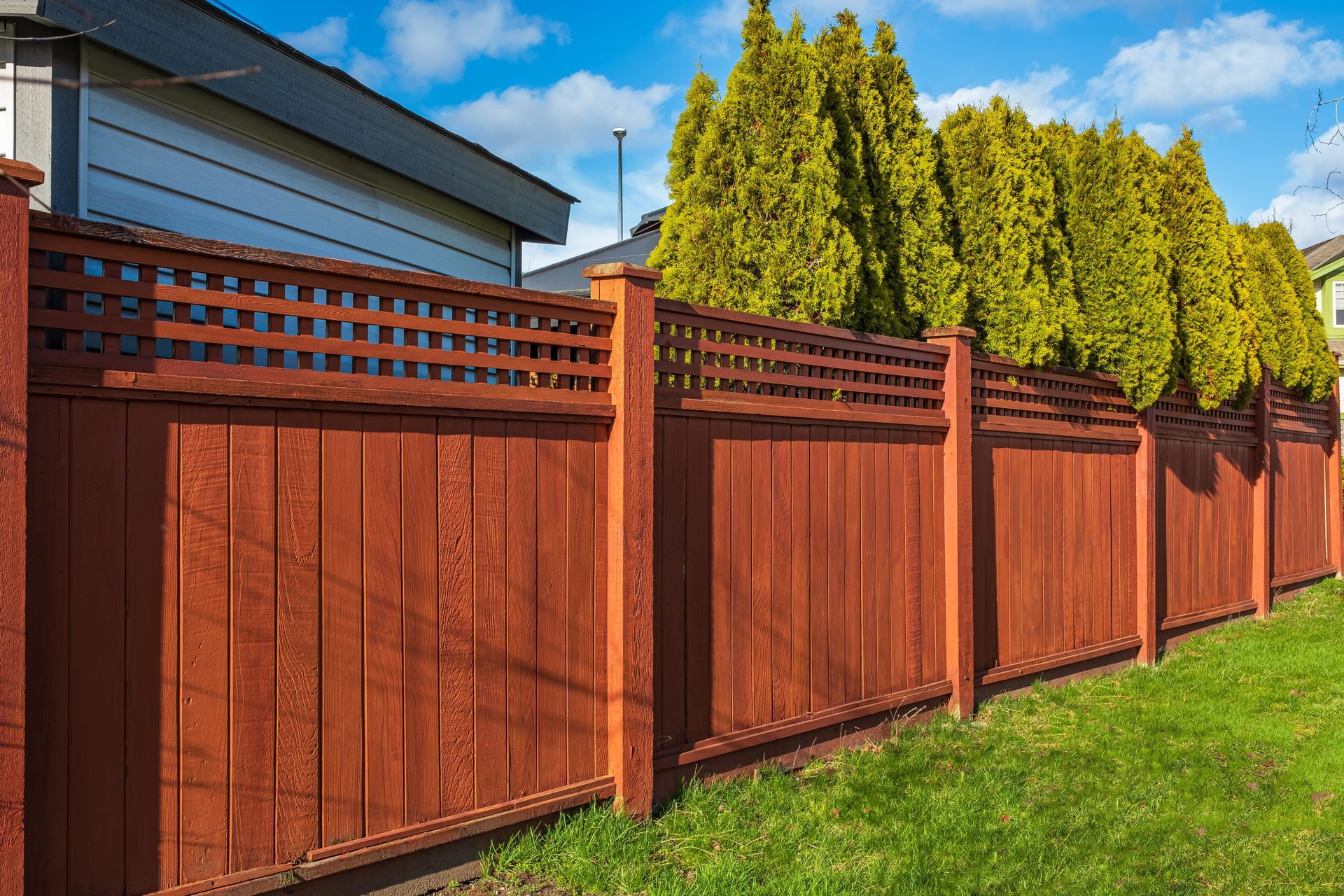
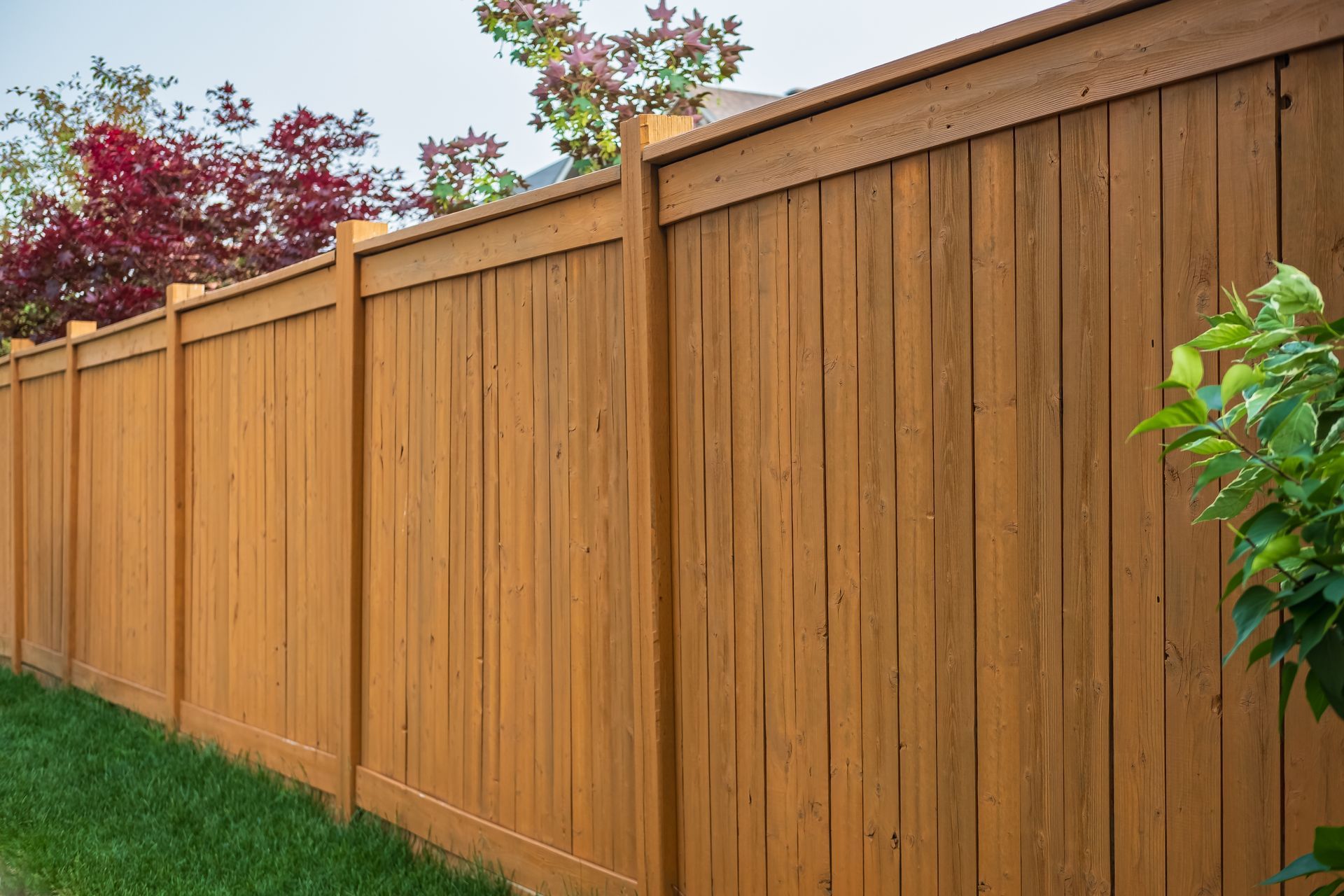
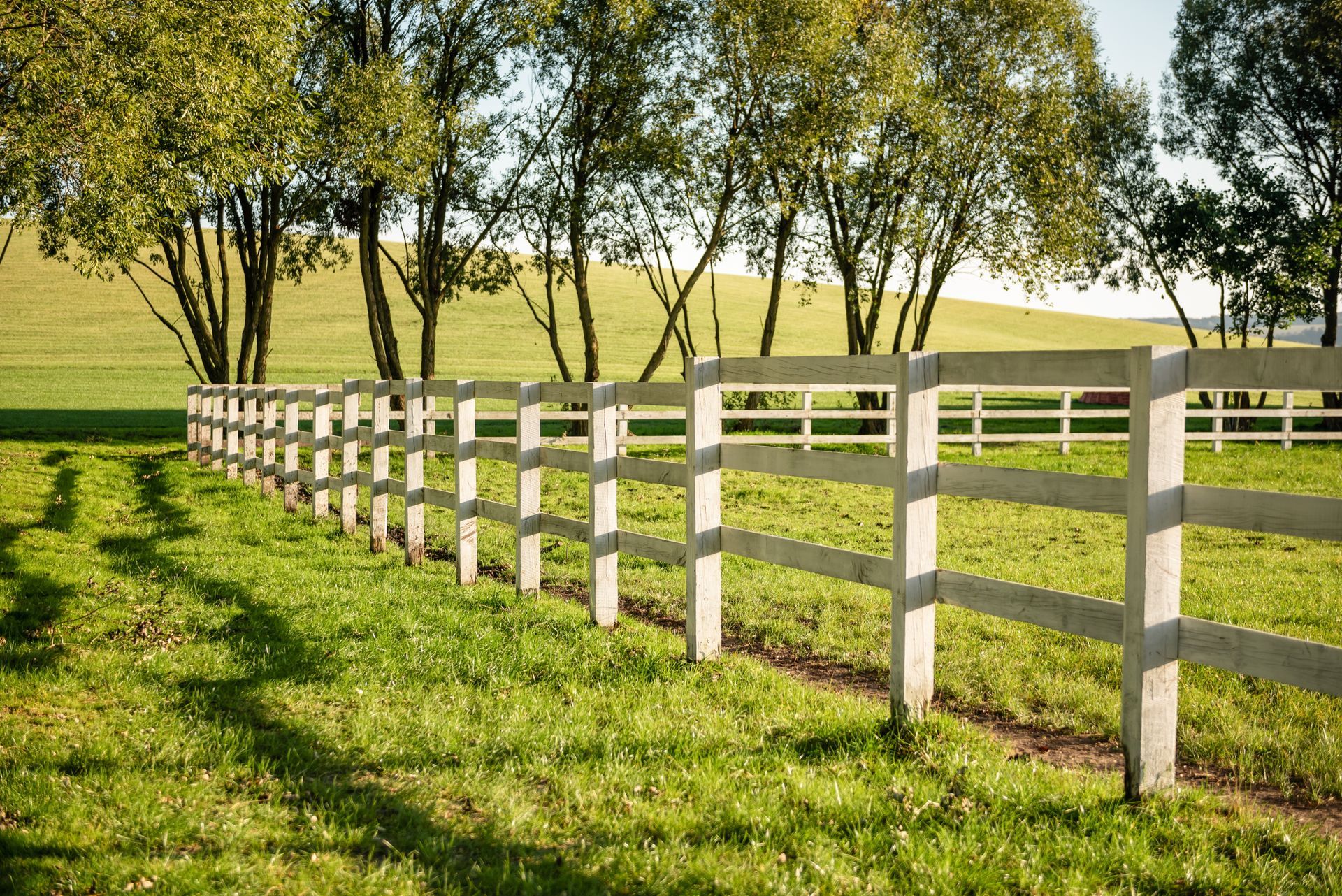
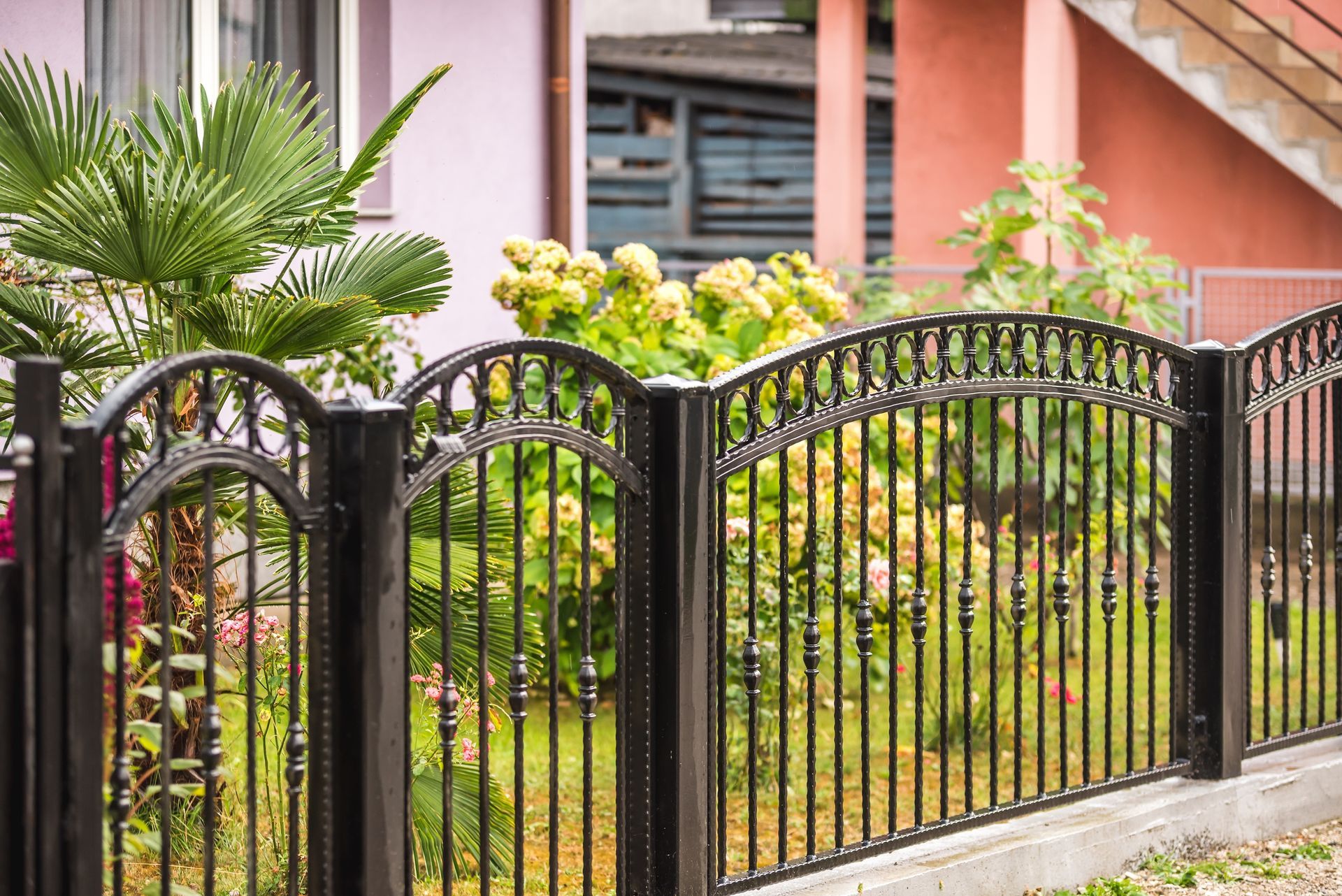
No. We focus on cedar privacy fences, rail fencing, vinyl fencing, and ornamental iron.
Ready to Install Your New Fence?
From fence installation and replacement to expert cedar privacy and wrought iron fencing, we proudly serve Northwest Houston, Tomball, and Katy. FenceIt is ready to help.
REAL FENCES. REAL EASY.